
Why I didn't rush to copy a hot sauce maker's viral TikTok strategy
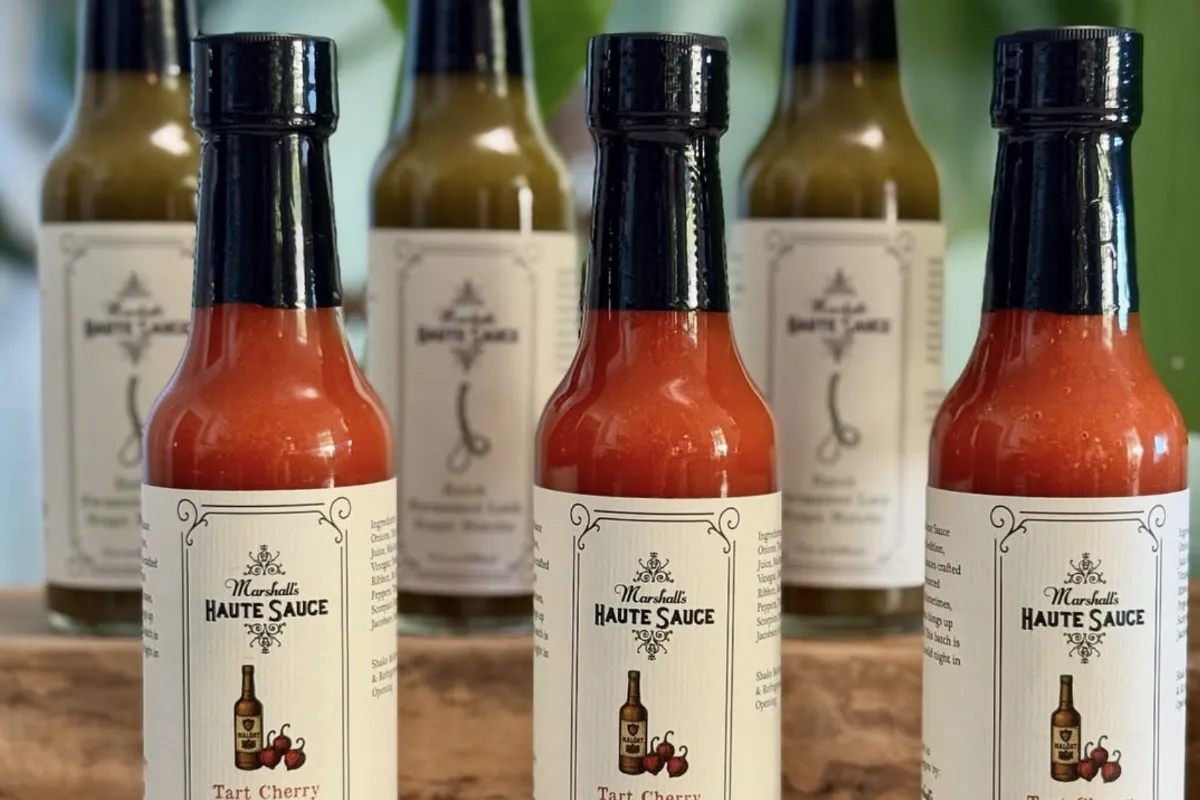
Ever been in a room where everyone's frantically taking notes on someone else's success story, treating it like a formula they can copy-paste straight into their own organization? That's exactly what I watched happen this week at the most Portland thing imaginable: a panel of local hot sauce makers talking shop.
As the panelists shared their strategies (what platforms they used, what trends they followed), I watched something fascinating happen in the room. People weren't just listening. They were treating the answers like silver bullets.
Here's what I mean: one founder mentioned that her husband films her filling hot sauce jars, and they post the footage as ASMR content on TikTok. Instantly, heads started nodding. Pens started moving. Another founder in the room said, "I should do that too."
I didn't reach for my phone to start storyboarding my own ASMR content.
Why copying the tactic can backfire
To be clear — that strategy is genuinely working for that founder. Her TikTok shop is moving real product. But here's what the room seemed to miss: what works for one audience can completely flop with another.
If the people you're trying to reach are mostly on LinkedIn, not TikTok, none of this matters. If your audience isn't drawn to ASMR content, the hours spent filming it won't translate into anything — no matter how well it worked for someone else.
Quick gut check: how often do you hear about someone else's results and immediately think, "we need to do that too"?
The smarter approach
Instead of copying a tactic outright, I dissect it first, then test whether it actually fits the audience I'm trying to reach. For something like the ASMR example, I'd want to know:
Then, the part that actually matters: I'd check whether any of this lines up with what's true for my audience, not theirs. Not "are they on TikTok" — a question that boxes people into a yes/no before you've learned anything — but open questions about where they actually spend their attention and how they actually make decisions.
What this means for your organization
The organizations that consistently make smart strategic moves aren't the ones chasing every trending tactic. They're the ones who understand their audience well enough to know which strategies are even worth testing — and which ones would be a waste of real time and real budget.
Your audience has its own specific behaviors, preferences, and quirks. No one else's playbook accounts for that. The advantage isn't in finding the perfect tactic. It's in knowing your audience well enough to know which tactics deserve a second look, and which ones aren't built for the people you're actually trying to reach.
Next time you hear about someone else's great results, pause before adopting the tactic wholesale. Ask: does this actually match how our audience behaves? Because even a brilliant strategy is wasted if it's aimed at the wrong people.