
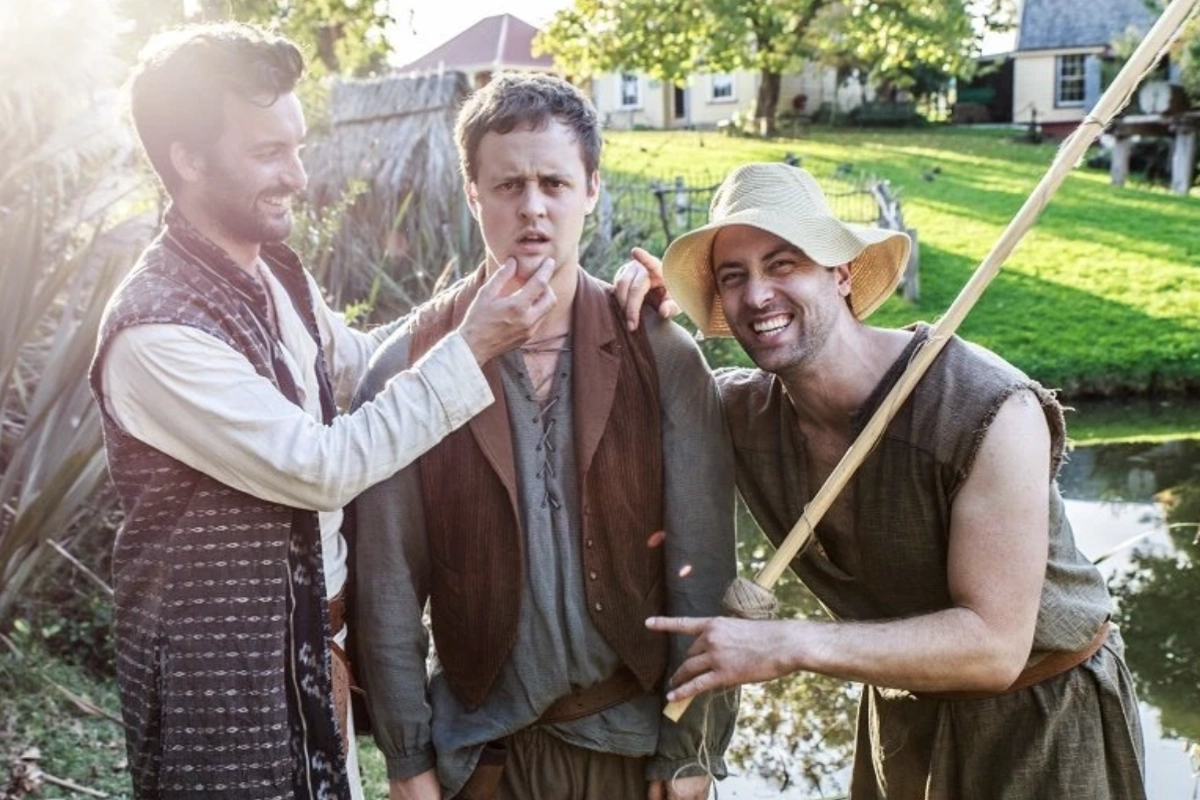
Ever wondered what happens when an organization stops treating the people it serves like line items and starts treating them like genuine collaborators? That's exactly what struck me when I came across the story of Viva La Dirt League.
Three friends in New Zealand started making gaming comedy videos as a side project back in 2016. Good content, a decent following, day jobs still firmly in place. Then they launched a community funding model — and everything changed.
Here's what actually stood out to me: they didn't just set up a "support us" page and hope for the best. They built something deeper.
They host monthly sessions where they actually play games alongside their top-tier supporters. Not a webinar. Not a generic Q&A. Real shared experience, real inside jokes, real relationship-building.
When they hit 1 million YouTube subscribers in 2019, they didn't just post a celebratory announcement. They live-streamed the countdown with their community and got matching tattoos together to mark the moment.
Quick gut check: when was the last time the people you serve felt like they were part of something bigger than just receiving what you offer?
The results that made me rethink retention entirely
Here's where it gets genuinely wild. They've also unlocked these achievements:
That's not just a successful subscription model. That's deep, sustained devotion at scale. And here's the part I find most interesting: when they needed funding for major projects, they didn't go to investors or banks. They went to their community. Multiple times. The community showed up every time.
What this means beyond gaming
Here's what they understood, stripped of the YouTube-specific mechanics:
This applies directly to nonprofits and mission-driven organizations, where the whole relationship is already built on shared values rather than a simple transaction — the opportunity is making that sense of belonging real and active, not just implied in your mission statement.
Whether you're running a membership program, a donor base, or a community of any kind, the real question isn't whether you're delivering value. It's whether you're building something people genuinely want to be part of.
The difference between those two things might be the difference between an audience that quietly churns and a community that funds your future for years to come.