
With tariffs taking effect and the economy feeling shakier than a house of cards, a lot of organizations are watching their audience pull back on bigger purchases and wondering what that means for strategy going forward.
Here's a plot twist: pulling back on spending doesn't mean people stop wanting what you offer. It usually means they want a smaller way to say yes.
The Lipstick Effect
Back in the early 2000s, Leonard Lauder, chairman of Estée Lauder, noticed something interesting. During economic downturns, while sales of big-ticket items dropped, lipstick sales actually went up.
He called it the Lipstick Effect — the tendency for small, affordable indulgences to spike when people pull back on major spending. A $25 lipstick feels like a treat. A $250 handbag feels irresponsible. People still want to feel good. They just find a smaller way to get there.
The same pattern is showing up right now, just with collectibles instead of cosmetics
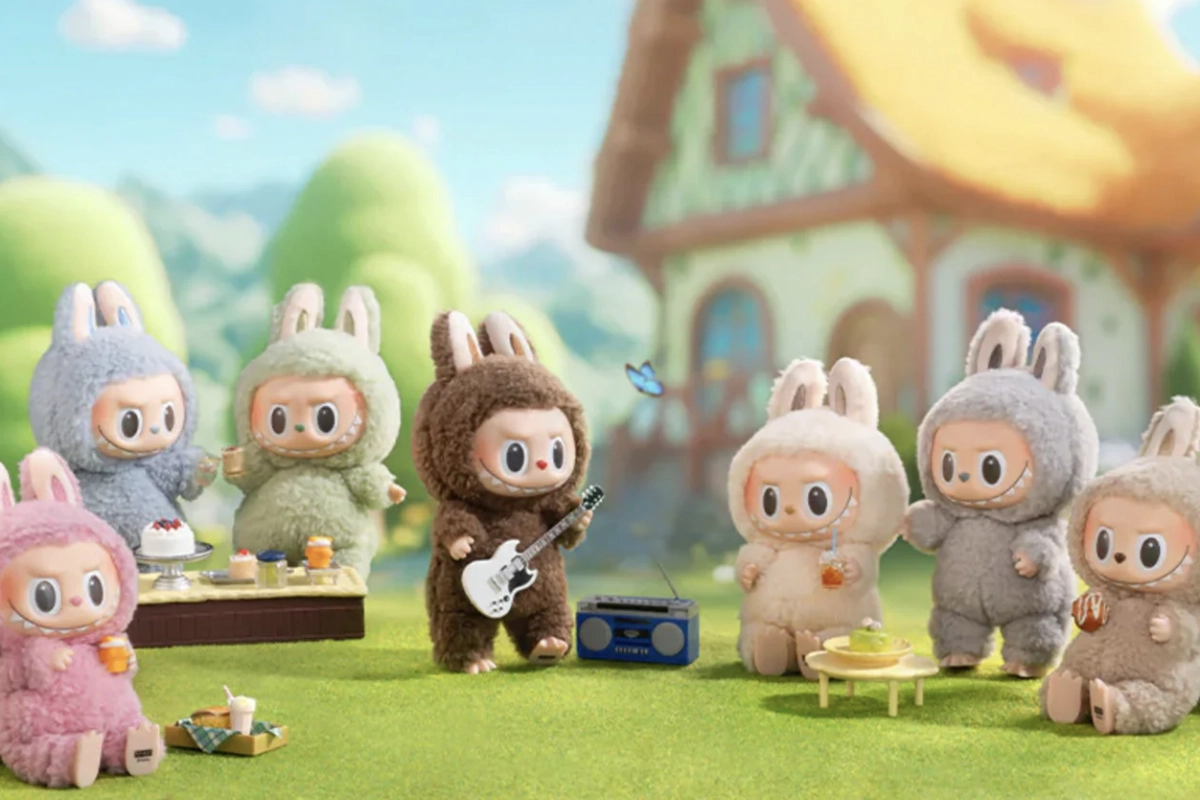
While the housing market struggles, sales of small collectibles — Labubu figures being the obvious example — are through the roof. People who can't justify a major purchase right now can still justify $15 for something small that brings a little joy. Call it the Labubu Effect, if 2025 needs its own name for it.
Here's the gut check worth running on your own audience
Quick gut check: are the people you serve pulling back from your higher-priced offerings right now?
If the answer is yes, the instinct is usually to panic, discount everything, or wait it out until conditions feel safer. But there's a better option hiding in plain sight: give people a smaller, lower-risk way to stay connected to what you offer, instead of asking them to choose between "the big thing" and "nothing."
That could look like:
The goal isn't to cheapen what you offer. It's to meet people where their risk tolerance actually is right now, instead of where it was a year ago.
The organizations that come out ahead during uncertain times usually aren't the ones who disappear until conditions improve. They're the ones who find the smaller, smart way to keep their audience engaged — so they're already top of mind once bigger budgets open back up again.
What's the smaller, lower-risk version of what you offer? That's usually the more interesting question than whether to discount the big thing.